

Session for students

Diana Gonçalves produces and directs the documentary Mulleres da Raia (2009). As a producer and manager, she promotes multidisciplinary cultural exchange between Spain and Portugal by collaborating with AGADIC to organise several meetings of the CREATIVA program. She has also designed and coordinated the documentary retrospective Carlos Velo: Ollar à marxe (Filminho). She promotes and directs workshops for schools in Galicia and northern Portugal.
For five years, she has participated in the documentary laboratory coordinated by Marta Andreu (El Retrato Filmado), where she directed five documentary short films. With the archive material of these works, she produced and directed Palmira (2017). In 2023, she founded the association Raia Creativa, a social and cultural meeting space for dialogue, exchange and free creative practice where she promotes a multidisciplinary installation called the Transfronteiriza project.
Diana Gonçalves (a filmmaker from Tui and a jury of the Ceres Section) will share her conception of culture and cinema with the students and will present two short films that show the ability of the medium to reveal that behind the intrahistory of human beings there is also the memory and untold history of a genre, a community, a territory and a landscape that avoids the concepts of line, limit and border.
Laboratorio Retrato Filmado | 2009-2013 | PlayDoc
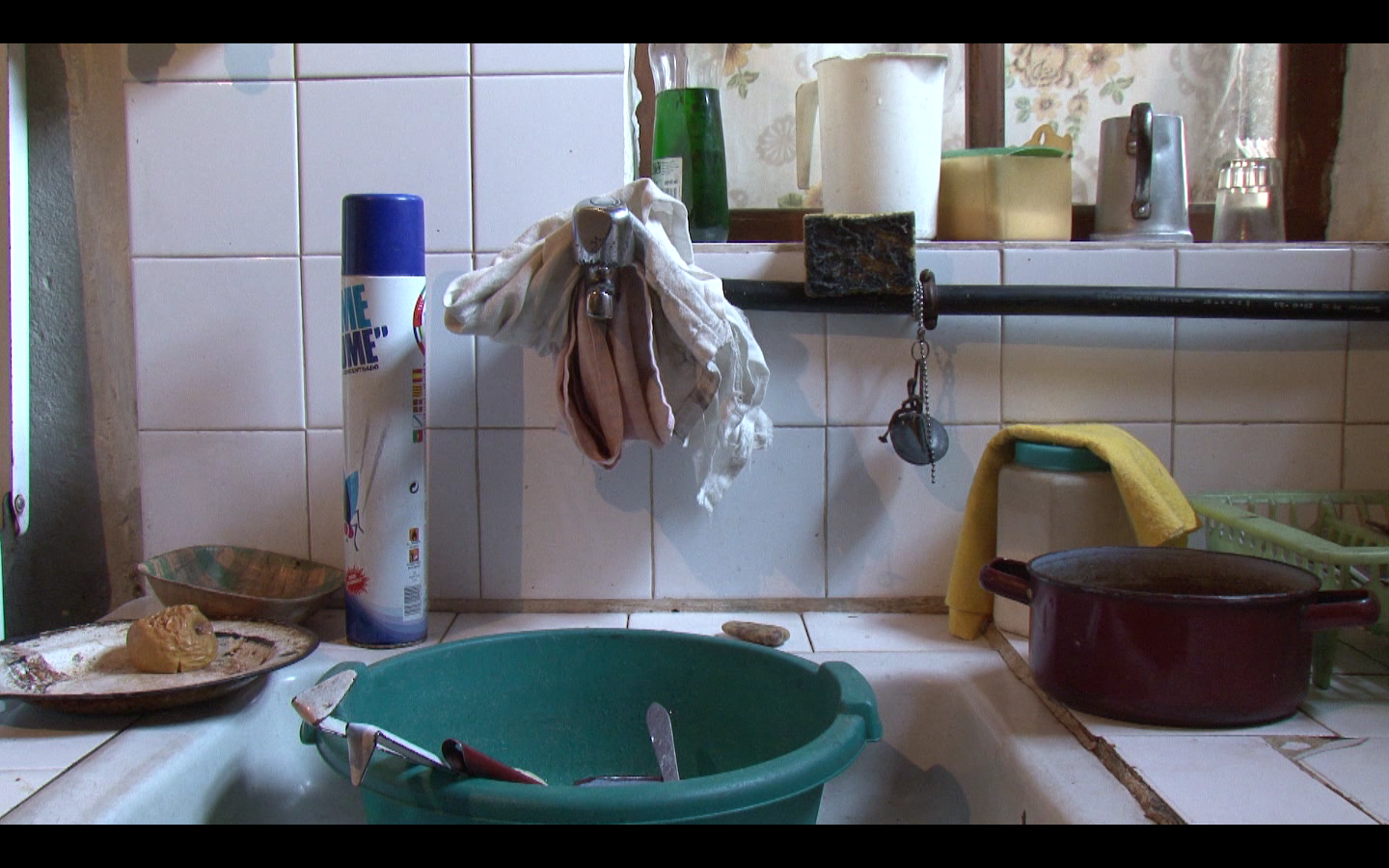
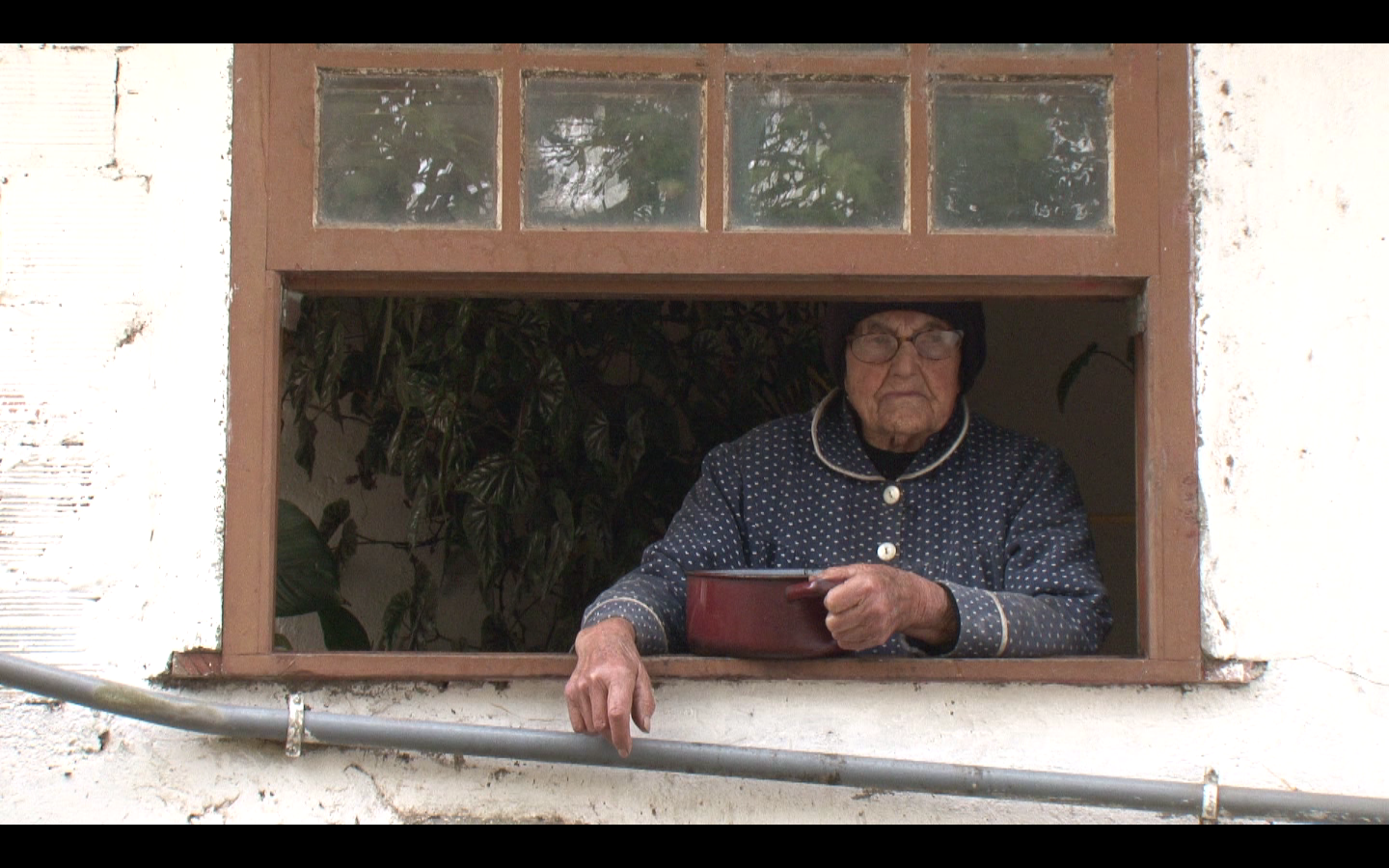
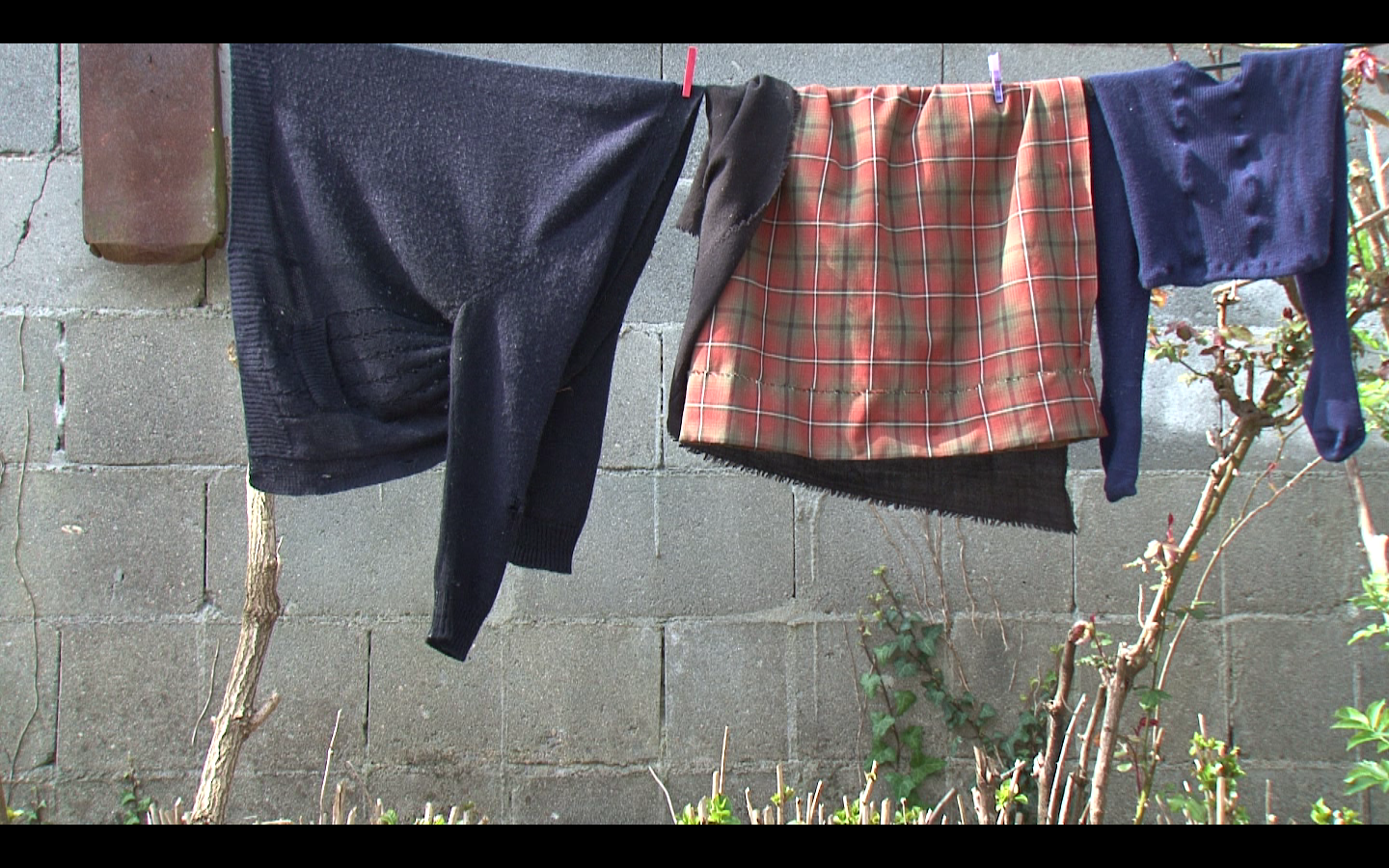
Life that passes slowly, repetitively. A body that is tired yet resilient. And on the other side of the camera, the attempt to find that fleeting instant that reveals something more about life. From observation to construction with the character herself.
A note on memory
Palmira was very used to the press: after she turned 100, every year they visited her on her birthday to ask, “What’s your secret?”. She also knew what her role in front of the camera was, so the first time she saw me arrive camera in hand, she didn’t wait for directions: “Vou ata o cruceiro e veño de volta, non?” (I’ll walk to the stone cross and come back, right?). She thought a few shots would be enough for me and that the next day she would return to her solitary routine. At that moment it wasn’t the right time, and I couldn’t bring myself to tell her that I intended to come back the next day, and the day after, with no date for a goodbye. So I imagine that each day she thought it would be just one more. And when she saw that I eventually left but came back the following year, still doing the same strange things, she simply gave me up as a lost cause. She found it odd that I filmed the same situations, the passing of the hours, things that apparently didn’t matter. And she worried that I didn’t eat, so, punctually, at one in the afternoon, she would ask me: “Non queres un ovo?” (Don’t you want an egg?)
Time shaped the relationship and opened up a space of intimacy. And that return every year turned that week into an awaited encounter. We stopped worrying about understanding each other, and the closeness allowed for play. Filming the other takes two, and each one represents herself, fights for her space and sometimes forgets that the camera is on. I did my job as a director: I observed, followed the course of events, but I also provoked situations, set up the mise-en-scène and sometimes let her direct it. At other times it was she who set the rhythm and the direction. And she clearly set the limits for me, and the “cut”. The game had come to an end. She wanted to inhabit her solitude again and be in communion. I remember she only spoke when necessary and didn’t hand out advice. But there was one sentence she repeated to me with some insistence, as if it were the message she wanted to leave us: “Habedes de volver a terra” (You will have to return to the land).
Indeed, there was no goodbye. And how do you keep making a portrait without its subject? How do you overcome absence? By then she had already given me a great deal, although I would only discover it later. And they were not answers. To film is to live.
Diana Gonçalves