

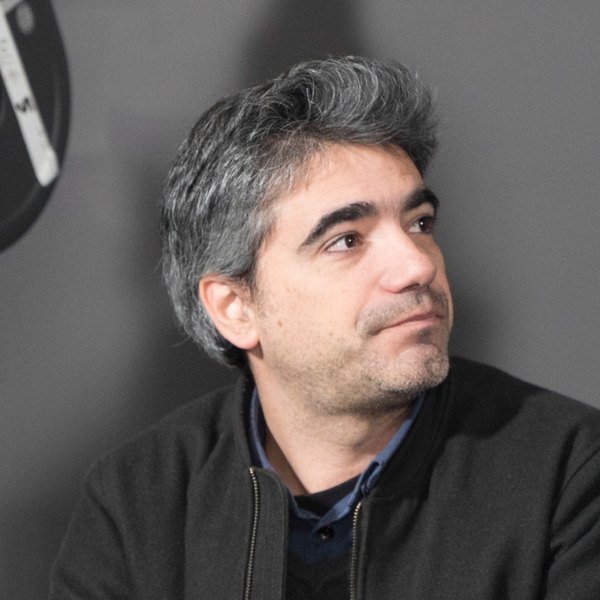
Film director and producer Rodrigo Areias studied Management at the Portuguese Catholic University and graduated in Sound and Image at the School of Arts. He specialised in film directing at the Tisch School of the Arts (NYU) and attended the “Production Eurodoc Program” and “Venice Biennale College”. He began his professional life as a musician and music producer at the label Garagem, and in cinema as a sound designer for directors such as Paulo Rocha and Edgar Pêra. He has developed creative work in fiction, documentary, video art and music videos for some of the best bands on the Portuguese rock scene (The Legendary Tiger Man, Wray Gunn, Mão Morta, Sean Riley and the Slow Riders, etc.). He has directed eight feature films and several shorts that have won awards at more than 40 festivals, including Karlovy Vary, Ismailia, Matera, Pristina and Kalajoki.
Since 2001 he has produced and co-produced over 150 short and feature films —fiction, documentary and animation— by international directors such as F.J. Ossang, Gabe Klinger, Teddy Williams, Lois Patiño and Matías Piñeiro, and by the Portuguese Edgar Pêra, João Canijo, Ana Rocha de Sousa and André Gil Mata. As a producer he has won a Golden Lion in Venice and a Golden Leopard in Locarno. His productions have premiered at the most important festivals: Cannes, Berlin, Venice, Rotterdam, Locarno, Clermont-Ferrand and Annecy. He was responsible for film production for Guimarães 2012 European Capital of Culture, producing films by Jean-Luc Godard, Aki Kaurismäki, Peter Greenaway, Manoel de Oliveira, Pedro Costa and Victor Erice, among many others.
FILMOGRAPHY
Fiction
NOVA ´78 (2025)
A PEDRA SONHA DAR FLOR / THE STONE DREAMS TO BLOSSOM (2024 | 101’)
O PIOR HOMEM DE LONDRES / THE WORST MAN IN LONDON (2022 | 90’)
VENCIDOS DA VIDA / DOWN BY LIFE (2020 | 66’)
SURDINA / SURDINE (2019 | 75’)
PIXEL FRIO / COLD PIXEL (2019 | 15’)
O GUARDADOR / THE KEEPER (2015 | 17’)
ORNAMENTO & CRIME / ORNAMENT & CRIME (2015 | 90’)
CINEMA (2014 | 9’)
ESTRADA DE PALHA / HAY ROAD (2012 | 90’)
TEBAS (2007 | 80’)
PORTES (2007 | 6’)
HONEY YOU’RE TOO MUCH (2006 | 3’)
BLUE MOON BABY (2006 | 4’)
EN GALÈRE (2005 | 7’)
TEMPO SUSPENSO (EXPLOSÃO INTROSPECTIVA # 7) (2003 | 9’)
ENCADOS (2001 | 19’)
Non-fiction
A ARTE DA MEMÓRIA / THE ART OF MEMORY (2021 | 60’)
HÁLITO AZUL / BLUE BREATH (2018 | 78’)
1960 (2013 | 70’)
GOLIAS (2010 | 8’)
D. AFONSO HENRIQUES (2007 | 50’)
MASQUERADE (DRESSIN’ UP) (2006 | 26’)
NICOLINAS (2002 | 54’)
Novos Cinemas is celebrating its eleventh anniversary with the producer, screenwriter and film director Rodrigo Areias. Based in Guimarães and co-founder of Bando à Parte, Areias promotes emerging filmmakers from Portugal and other countries whilst actively collaborating on projects by leading figures in contemporary international cinema. As a screenwriter and director, his work reflects his aesthetic and ideological leanings, as well as his knowledge of and passion for cinema and art. Areias will visit our city to share his vision of cinema as a lever for cultural development.
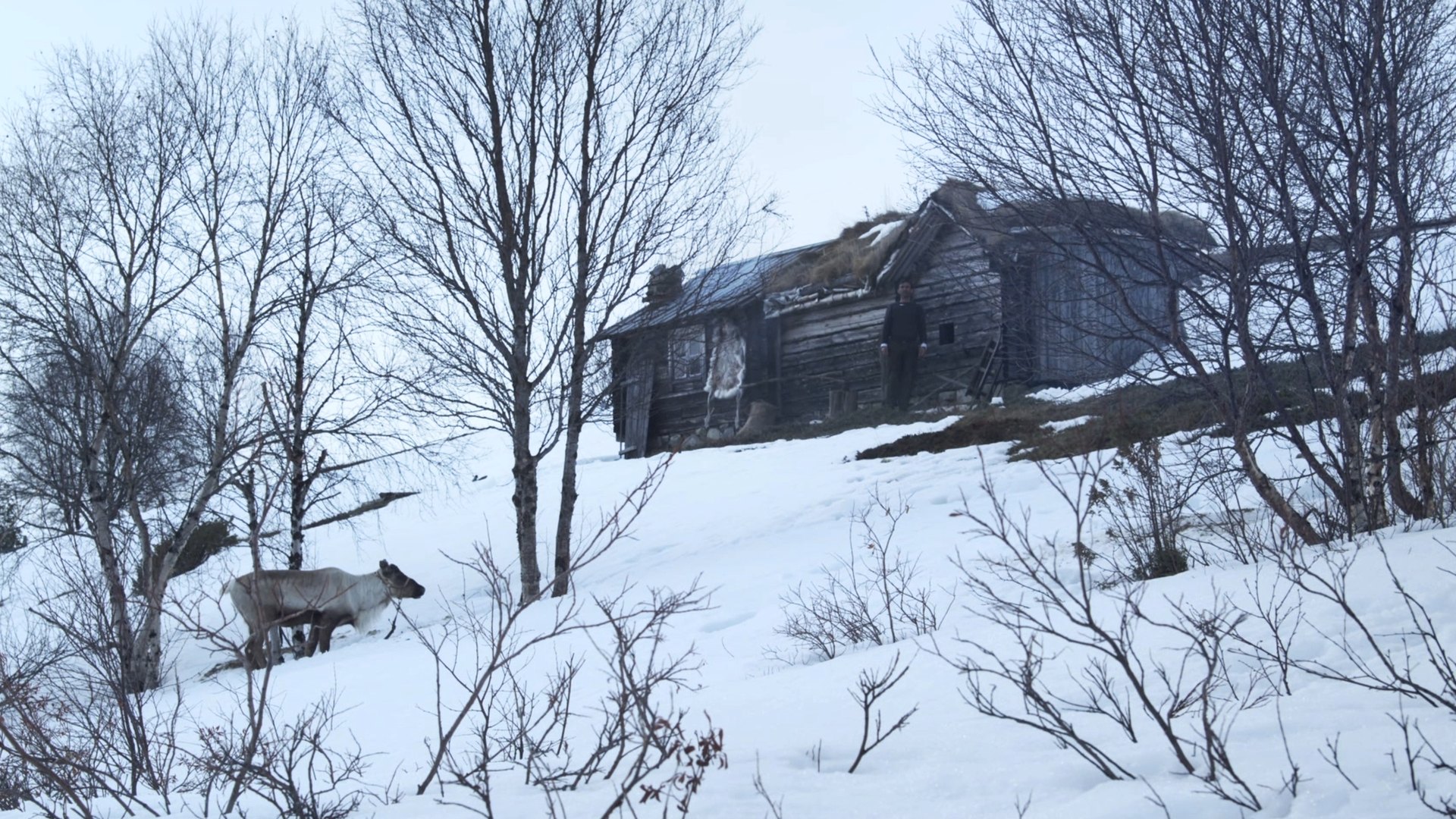
HAYROAD
Portugal | 2012 | 90´ | Colour
12 DEC | 17:00h
Cinexpo | €3.50
Q&A with the filmmaker
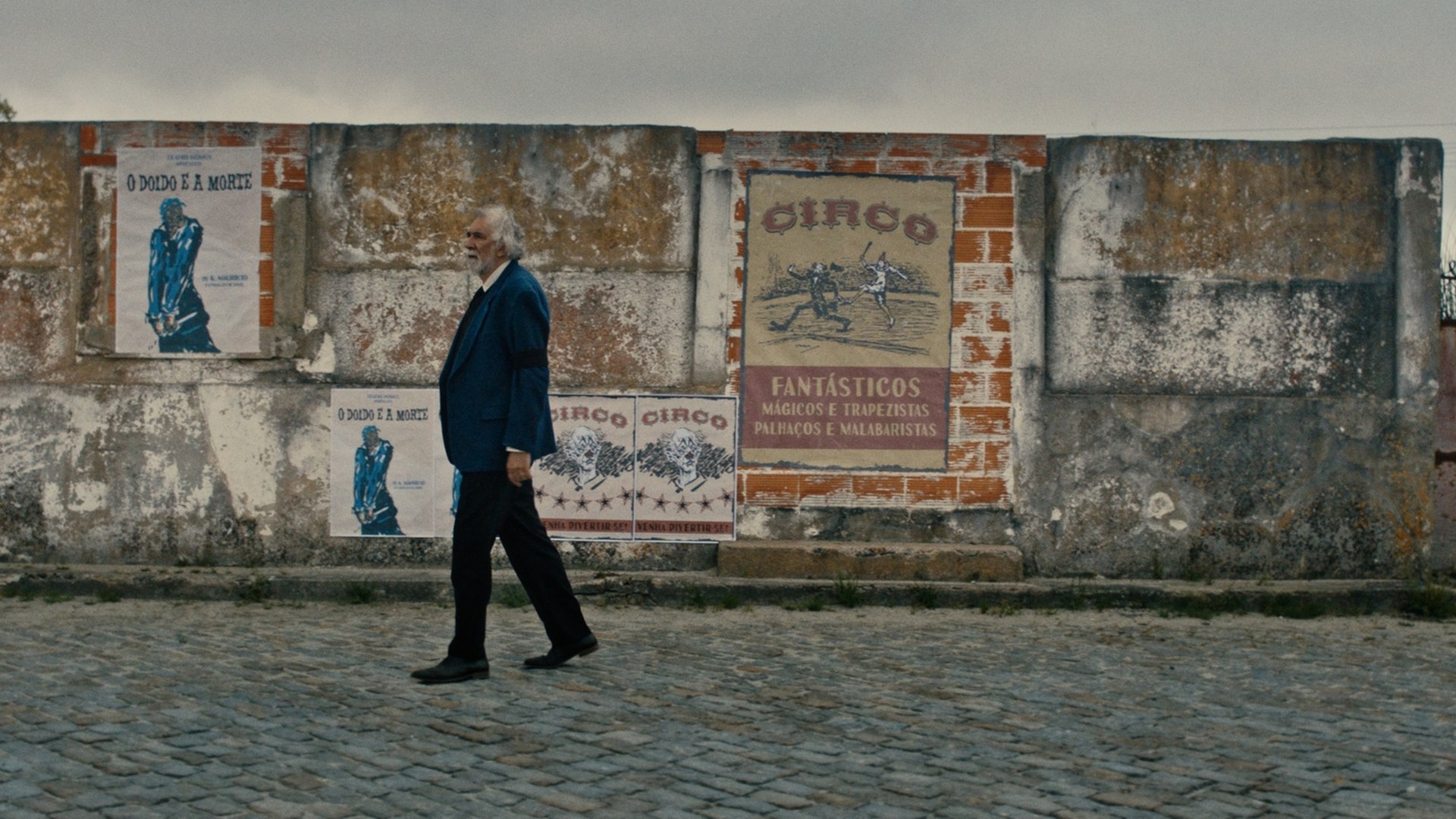
THE STONE DREAMS TO BLOSSOM
Portugal | 2024 | 101´ | Colour
13 DEC | 19:30h
Cinexpo | €3.50
Q&A with the filmmaker
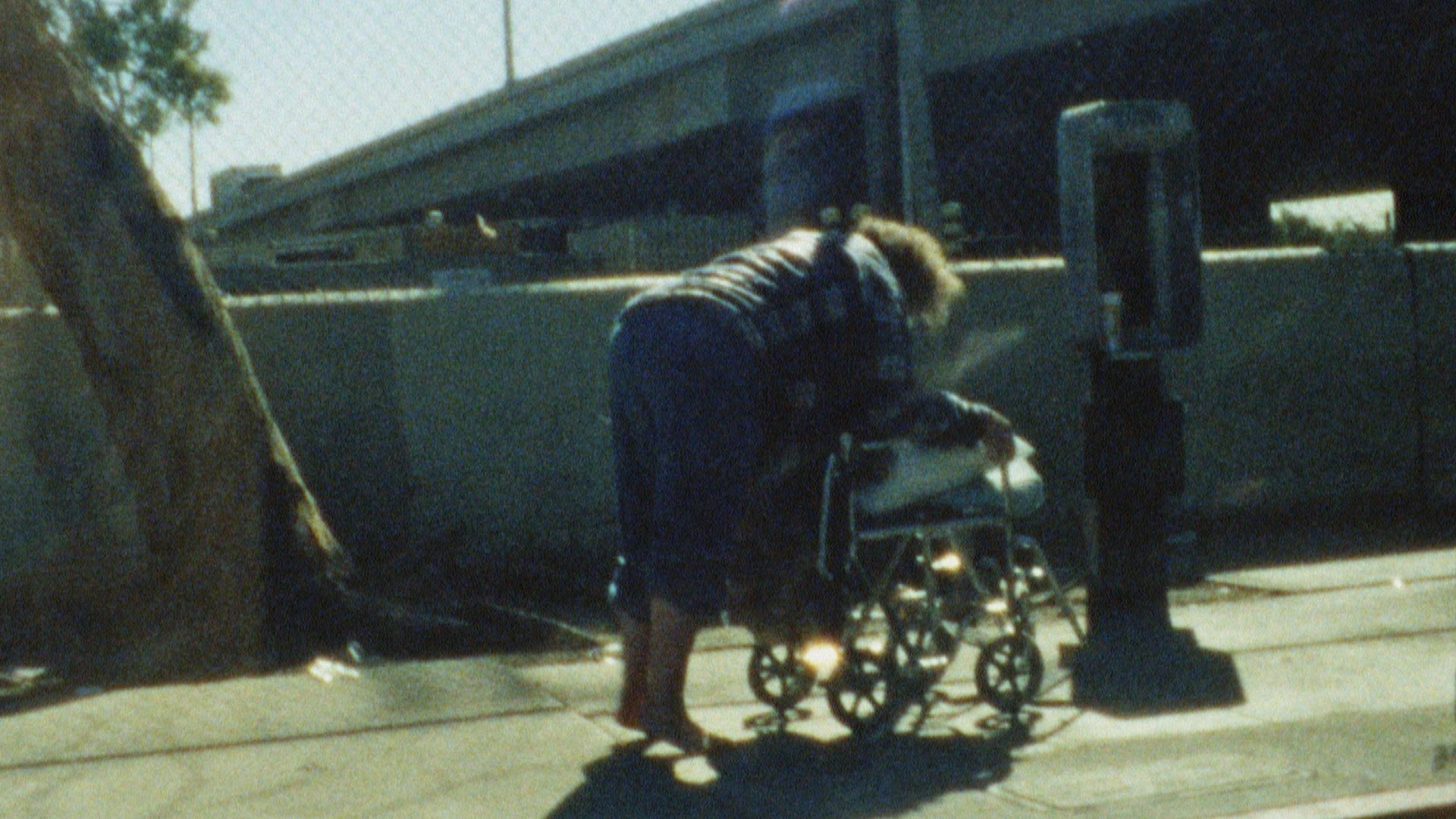
DOWN BY LIFE
Portugal | 2020 | 68´ | Colour & B/w
19 FEB | 19:00h
Museo de Pontevedra
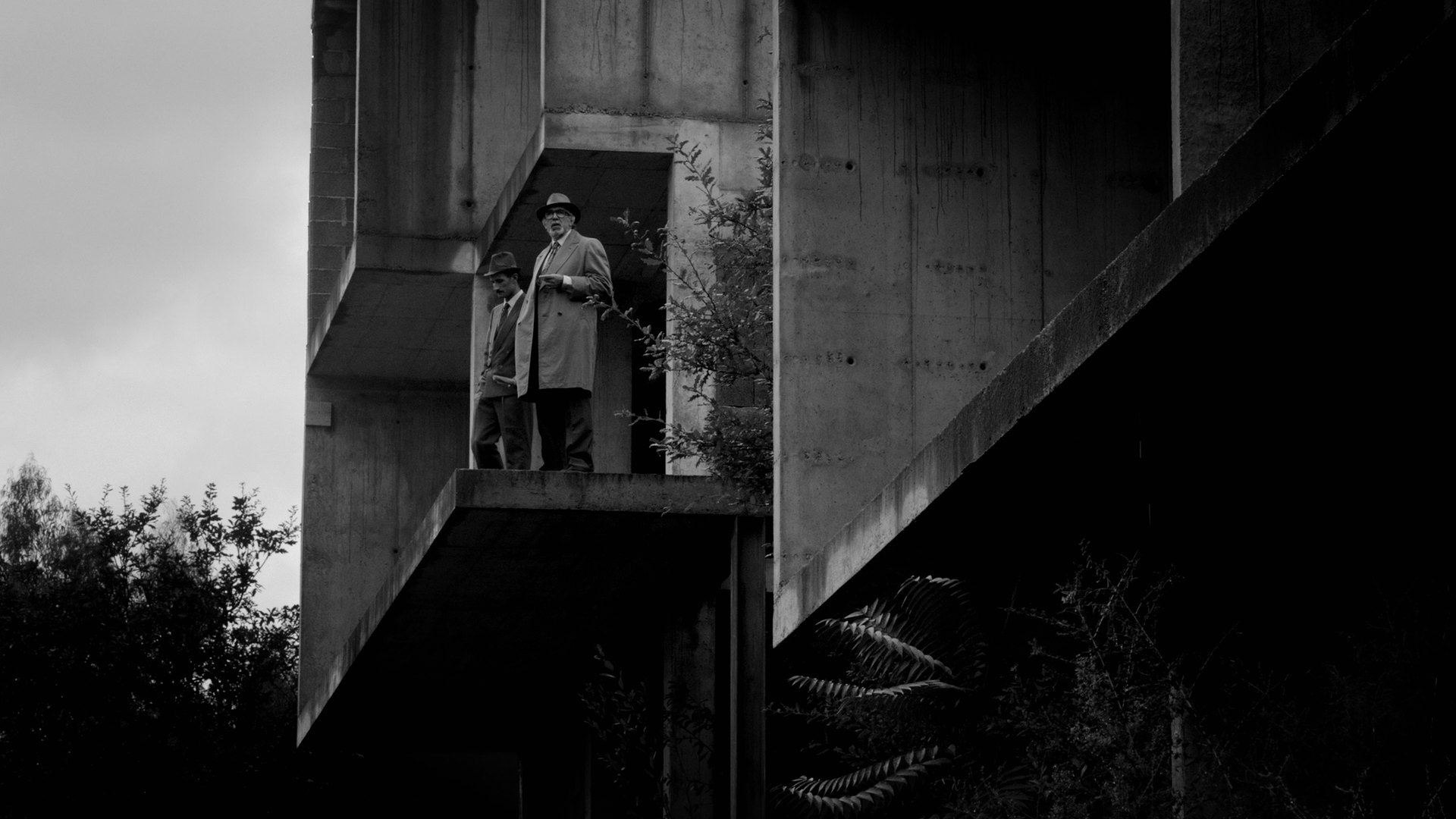
ORNAMENT & CRIME
Portugal | 2015 | 90´ | B/w
20 MAR | 19:00h
Museo de Pontevedra

1960
Portugal | 2013 | 70´ | Colour & B/w
23 APR | 19:30h
Teatro Principal
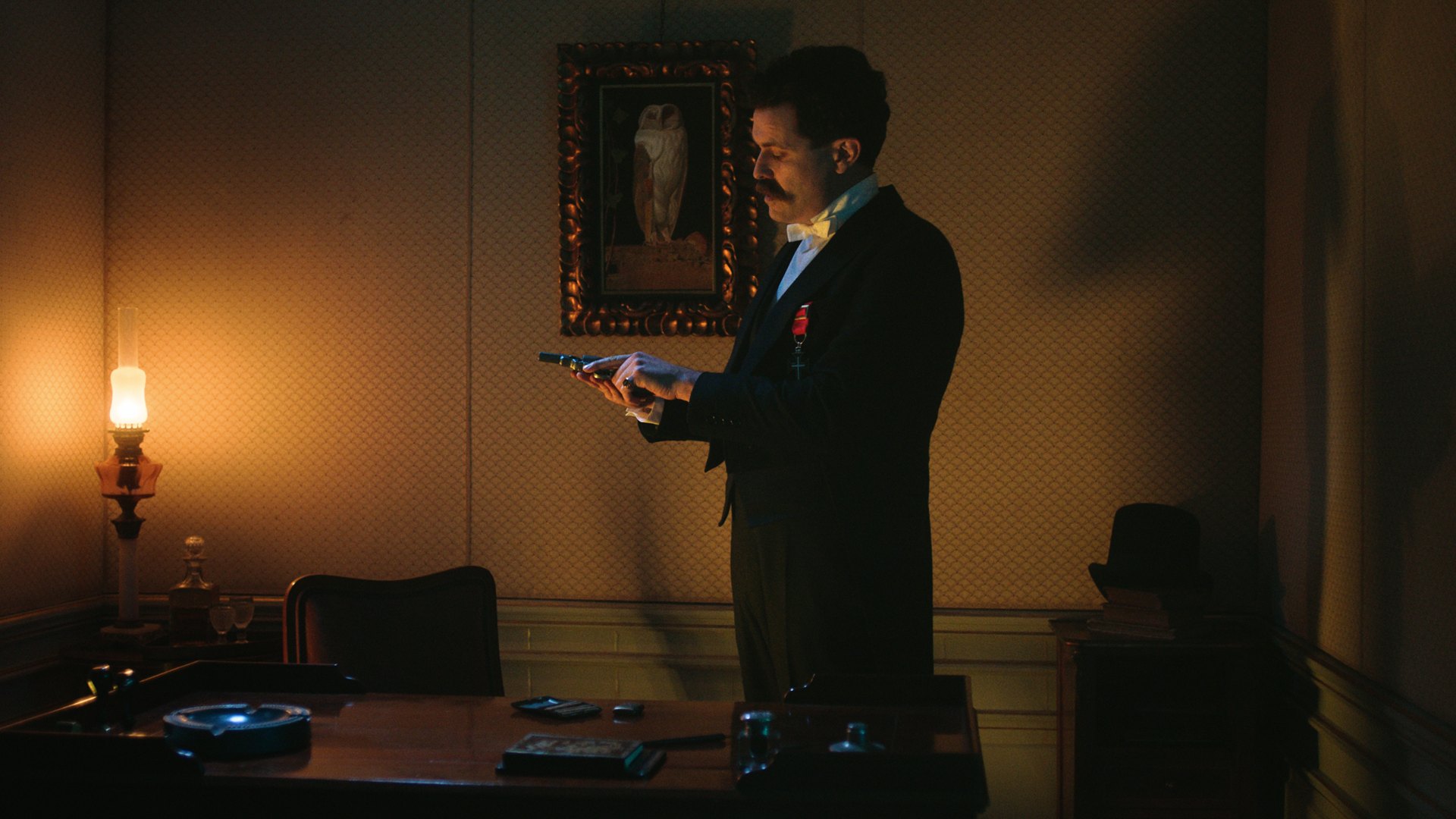
THE WORST MAN IN LONDON
Portugal | 2024 | 130´ | Colour
22 MAY | 19:00h
Teatro Principal
Rodrigo Areias has been a key figure in the development of Portuguese and European cinema and the audiovisual sector over the last 25 years. However, it is worth noting that his interests are not confined solely to the industrial sphere. His curiosity, versatility and unorthodox aesthetic commitment bear this out. We believe that Areias considers cinema a field of experimentation, learning and cultural communion.
Apart from his work as a producer, his role as a filmmaker seems to be underpinned by the collaboration of a group of talented individuals, more or less closely associated with the production company Bando à Parte. This fellowship amongst collaborators —Jorge Quintela, Victor Correia, Tomás Baltazar, Ricardo Preto, Pedro Marinho, etc.— makes it possible to create the unique cinematic worlds of this filmmaker from Guimarães. Areias thus follows in the footsteps of filmmakers who understood that making films is infinitely easier when you work with the right people — those who share your vision and support your endeavours, because affinity and passion carry more weight than stone.
Building on this premise, Areias develops projects that highlight the alchemy between his role as a producer and creator and his understanding of filmmaking: a practice shaped by the history and inner workings of cinema, a radical affirmation of art and its interdisciplinary nature, and a questioning of boundaries and frontiers. To all this, we may add the emergence of a dialectical critique —sometimes explicit, at other times more veiled in the films— which reveals the filmmaker’s aesthetic and political stance. These characteristics, discernible in the works featured in this FOCUS (the first dedicated to the filmmaker in Spain), attest to his commitment to heterodoxy, rooted in an awareness of the various synergies that can be established between themes, sources and references, and the most suitable processes for the creation of each film.
The Western as a territory to be re-explored (Estrada de Palha) emerges through a combination of classical radical refinement (Boetticher) and contemporary reinterpretation (Jarmusch). This approach allows Areias to reposition the landscape and re-examine the status of the anti-hero while also drawing on Thoreau’s seminal text Civil Disobedience to reflect on the relationships between the individual, the community and power, as well as on the inner history of his own country. In a seemingly similar vein, Ornamento e Crime (whose title is taken from Adolf Loos’s essay) also explores genre conventions and minimalism, not only to sketch a thoroughly corrupt universe, devoid of any possibility of redemption —a hallmark of B-movies— but also to pay homage to architectural space, specifically the work of Fernando Távora, which becomes the film’s true protagonist. In doing so, it subverts the mantra of the ‘figure against a landscape backdrop’ while settling scores with Portugal’s urban history. Closely related to the latter, 1960 draws on Diário de Bordo, a text chronicling the journey undertaken by architect Fernando Távora that year. Using the home-movie format, the film recreates this transcontinental odyssey through a fragmented juxtaposition of 8mm footage —both contemporary images and material shot by Areias— of the cities visited by the architect, alongside ideas drawn from his diary.
The reuse and reinterpretation of several of his short films culminates in Vencidos da Vida, a mesmerising ‘Frankenstein’ film in which cinema —understood both as a physical space and as a metalanguage— becomes the perfect vehicle for an elegy to defeat and to those seemingly twilight ways of living and feeling. The world of Victorian-era artistic and aesthetic circles (The Worst Man in London) allows Areias to sketch out a ‘theatre of the world’ in which the artistic drive, the physical and emotional ailments of the era, commercialism and its relationship with price and value, and the interplay between appearance and essence, truth and simulacrum, all crystallise in a film that engages with and amplifies certain trends in academic cinema. Raul Brandão, a highly regarded cult figure in Portuguese literature, finds his perfect outlet in the sensory and hypnotic A Pedra Sonha dar Flor: a tapestry of situations, characters and mythical territories marked by symbolism and existentialism, the dreamlike and defeat. In this work, the plot gives way to the gradual unfolding of a universe governed by a language and a fiction that operate beyond time.
This array of sounds is amplified by some marvellous musical compositions created specifically for the project by some of the most renowned musical acts on the contemporary Portuguese scene: The Legendary Tiger Man (Paulo Furtado), Rita Redshoes, Tó Trips (guitarist with Dead Combo), Dada Garbeck (Rui Souza), Morte Shopping, Sean Riley and The Slow Riders, etc. It is worth remembering that Areias is also a musician and is no stranger to processes built around agreements and chords.
Suso Novás